Quick Answer
Do not light the fireplace, smoke the animal out, pour anything down the flue, or install a chimney cap while you hear or see activity. A sound or a quick silhouette cannot reliably tell you whether it is a bird, bat, squirrel or raccoon—or whether young are present. Stop using the fireplace, keep people and pets away from the opening, note what you can safely observe from outside, and use a qualified chimney or wildlife professional before the chimney is closed.
A chimney is not simply another roof opening. It can connect to an appliance, a fireplace room and an exterior structure where wildlife rules differ by species and location. The expensive mistake is often not the animal itself; it is sealing or using the chimney before its status is known.
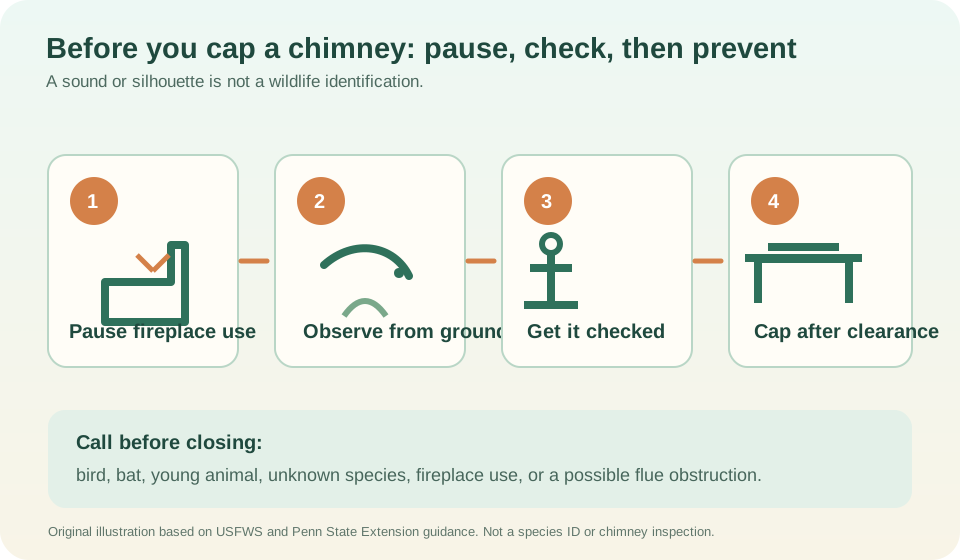
What to Do First
- Do not use the fireplace or appliance attached to that flue. Do not burn a fire to force an animal out. Keep the damper closed if that can be done without reaching toward an animal, and keep children and pets out of the fireplace area.
- Observe from outside only. From the ground, note the time, whether an animal enters or leaves, and whether you hear repeated begging, scratching or fluttering. A short phone video from a safe distance can help a local responder; do not climb onto the roof or lower a camera into the chimney.
- Do not cap the chimney yet. A cap is prevention after a professional confirms the flue and top are clear. Capping during activity can trap an animal, young or nesting material inside.
- Call the right kind of help. A chimney professional can assess the flue and cap; a qualified wildlife professional can advise on an animal that may be present. For a bird, bat, young animal or uncertain species, ask about current state wildlife guidance before anyone removes or excludes it.
Why the Sound Is Not a Species Test
Chirping may suggest young birds, but it does not establish a species. Scratching or thumping can come from a mammal, yet it does not show whether there are young inside. Penn State Extension specifically notes that chimney swifts can look like bats when they fly out at night, while squirrels and mice can make attic sounds that people mistake for bats. Treat sound and flight pattern as a reason to pause, not as a DIY identification method.
| What you notice | Useful conclusion | Do not conclude |
|---|---|---|
| Repeated daytime chirping from inside | A bird nest or young may be present | That it is an unprotected species or safe to cap |
| Small silhouettes leaving near dusk | There is active use of the chimney | That they are definitely bats rather than chimney swifts |
| Heavy scratching, thumping or a strong odor | A larger animal or nesting material may require an inspection | That the animal has left or that a fire will solve the problem |
| A single animal visible at the fireplace opening | The animal may be trapped in the flue or firebox | That it is safe to handle, touch or release without guidance |
Birds in a Chimney: The Legal Boundary Matters
Chimney swifts are protected migratory birds and can nest in masonry chimneys. The U.S. Fish and Wildlife Service notes that nesting swifts may produce daytime begging sounds and that a fallen nestling should be referred to a licensed migratory-bird rehabilitator.
Federal rules also distinguish a bird or active nest inside a human-occupied building from a nest on the exterior of a structure. The USFWS building authorization has specific conditions; it is not a blanket instruction to remove any bird or nest you find. If eggs, nestlings or a protected species may be involved, ask a permitted rehabilitator, your state wildlife agency or the USFWS regional office for current guidance before work begins.
Bats, Mammals and Contact Risk
Never handle an unknown bat or mammal. If a bat may have had direct contact with a person or pet, contact your local public-health authority or veterinarian promptly for case-specific guidance. For an animal occupying a chimney, a responder needs to determine both the species and whether young or an active roost changes the timing of exclusion.
Raccoons and squirrels can also use chimneys, particularly as shelter or a den. Do not attempt to flush them with smoke, water, chemicals or a fire. The timing and lawful options for removal or exclusion vary by state and by whether young are present. A cap belongs at the end of the process, not the beginning.
Questions to Ask Before You Approve a Chimney Cap
- Has the entire flue and chimney top been inspected and confirmed clear?
- Did the inspection identify a bird, bat, squirrel, raccoon, nest or unknown material?
- Could eggs, nestlings, kits or pups be present?
- Which person is responsible for wildlife handling, and which person is responsible for chimney safety and the cap?
- How will the cap allow the chimney to function correctly for its appliance or fireplace?
- What needs to be rechecked after the animal has left or been lawfully addressed?
A professional should be able to explain the handoff between wildlife work and chimney work. A quote that only says “install cap” does not answer whether the flue is clear or whether an active animal has been considered.
When to Treat It as Urgent
Seek urgent local help if an animal is in the occupied room, a bird or bat has had possible direct contact with a person or pet, there is smoke, an odor of combustion, a carbon-monoxide alarm, or you believe a fireplace/appliance has been used while the flue may be obstructed. Leave appliance and emergency decisions to the appropriate local service rather than attempting to inspect a chimney yourself.
After the Chimney Is Clear
Once a qualified professional confirms the animal and nesting material are gone and the flue is safe, a correctly fitted cap can prevent repeat entry. It should be selected and installed for the particular chimney and appliance—not improvised from loose screen. For broader building entry points after an animal issue is resolved, see the home entry-point checklist. If the concern is bats using roofline gaps rather than the chimney, use local wildlife guidance; do not assume the same exclusion timing applies.
Sources and Review Scope
- U.S. Fish & Wildlife Service: Chimney Swifts — chimney nesting, nestling and coexistence guidance.
- U.S. Fish & Wildlife Service: Birds in Buildings authorization — current federal scope and limitations.
- Penn State Extension: Bats — limits of sound-based identification and building exclusion context.
Sources reviewed September 22, 2026 (ET). This page is not wildlife-handling, chimney-construction, medical, public-health or legal advice. State and local requirements can differ.