Quick Answer
Oklahoma State University estimates that Oklahoma has about 3–5 scorpion species. The striped bark scorpion is the common statewide species; it can reach about 3.5 inches and is often found under boards, stones, bark, or in sheltered parts of buildings. OSU does not consider it dangerously venomous, but a concerning or allergic reaction still warrants medical advice.
Oklahoma Scorpion Identification Guide
Scorpions are a common concern for Oklahoma homeowners, particularly in the central and western parts of the state. While they look intimidating, most Oklahoma scorpions are not dangerous to humans.
What you can identify reliably
Exact species counts and local ranges vary. The striped bark scorpion is the common statewide species described by Oklahoma State University. Look for a pale body with darker longitudinal markings, but do not identify a scorpion from color alone; note where it was found and keep your hands away.
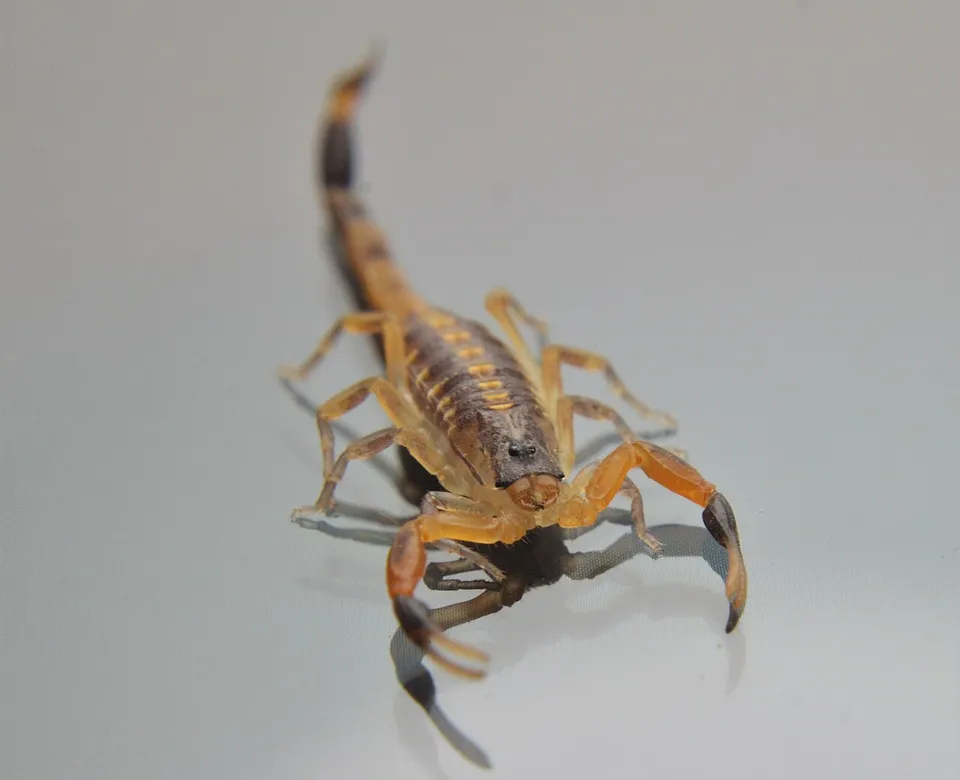
Striped Bark Scorpion: The One You'll See
The Striped Bark Scorpion is the most common scorpion in Oklahoma and the one most likely to enter homes. It is pale yellow with two dark stripes running down its back. It is 2-3 inches long and has a slender tail. It is found under rocks, in woodpiles, and in homes. It is an excellent climber and can be found on walls and ceilings. Its sting is painful but not dangerous to healthy adults.
Scorpion Prevention
- Seal cracks and gaps in the foundation
- Install door sweeps on all exterior doors
- Remove woodpiles, rock piles, and debris from near the house
- Trim vegetation away from the foundation
- Use a UV flashlight at night to locate and remove scorpions
- Keep grass cut short
- Remove hiding spots like boards, tarps, and yard debris
After a scorpion sting
Move away from the scorpion and wash the area. Contact a clinician or poison service for severe, spreading, or allergic symptoms, or whenever the person stung is a child or otherwise medically vulnerable. Do not rely on an online page to diagnose a reaction; follow current local medical advice.
FAQ: Oklahoma Scorpions
Are Oklahoma scorpions dangerous?
No Oklahoma scorpion species is considered dangerous to healthy adults. The Striped Bark Scorpion's sting is painful but comparable to a bee sting. Children, the elderly, and those allergic to insect venom should seek medical attention if stung.
When are scorpions most active in Oklahoma?
Scorpions are most active during the warm months (May-October). They are nocturnal and are most active at night. They seek shelter during the heat of the day.
Professional Wildlife Removal in Oklahoma
If you need professional wildlife removal or pest control services in Oklahoma, our local guides cover the following cities:
- Oklahoma City, OK — Wildlife & Pest Identification Guide
For help identifying the specific animal causing damage in your yard, see our What Animal Is Digging Holes in My Oklahoma Yard? guide.
Sources: US Fish and Wildlife Service, USDA Wildlife Services, state wildlife agencies, CDC, and academic extension services. Oklahoma State University: scorpion identification and scorpion facts. This guide is for informational purposes only and does not constitute professional wildlife management advice.